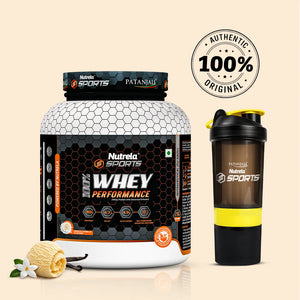
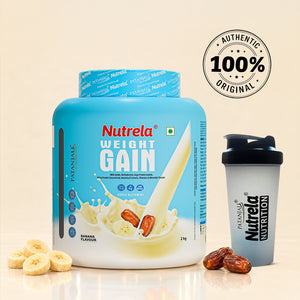


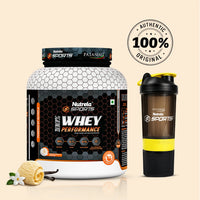
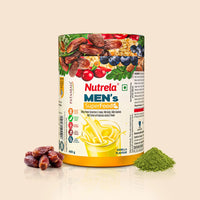
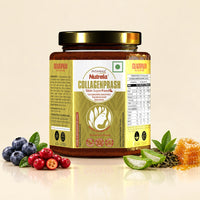


Achieving a lean and muscular physique requires not just hitting the gym but also determining the diet we eat. Incorporating superfoods to build muscles into your meals can significantly enhance your muscle-building efforts and aid in fat loss. These nutrient-dense foods proves to be a powerhouse of essential nutrients, vitamins, minerals, and antioxidants. It supports muscle growth, recovery, and overall health. Patanjali Nutrela Nutrition brings Superfood products, that are scientifically formulated and is an ideal vegetarian blend nutrients and botanical extracts. The 13 natural herbs help to tackle stress, reduce anxiety, and promote general well-being.
In this 2026 guide, we will talk about 10 vegeterian superfoods that promote muscle building, fat burning, and good health.
1. Soybeans: The King of Plant Protein Sources
The soybeans are known as the king of plant proteins since it is a rich source of protein with an average of 36g per 100g. In addition, unlike many plant proteins which lack complete protein, the soybean offers all the nine essential amino acids and is considered a very good protein source for muscle building. If we speak about the nutritional values of the soy, then it includes protein, with an average of 36 grams, iron, 15.7 mg, magnesium, 280 mg, and calcium 277 mg.
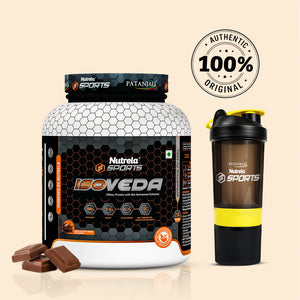
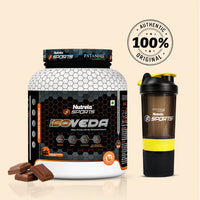
While exercising, the muscles' fibers get breaks down. Soy protein supplies the amino acids needed to rebuild those fibers stronger than before. Research also suggests soy protein can stimulate muscle protein synthesis similarly to many animal proteins when consumed in adequate amounts. The best way to consume soya are boiled soybeans, soy chunks, soy granules, soy milk, or tofu. For an easy protein boost, Nutrela IsoVeda Whey Isolate complements a high-protein diet by providing fast-digesting protein after workouts.
2. Quinoa – The Perfect Ancient Grain
It is considered as being one of the healthiest grains available. While it is a seed in its technical classification, it is eaten in similar ways as rice and contains all of the amino acids. Nutritional value of per 100 grams of cooked quinoa is protein 4.4 grams, magnesium 64 mg, iron 1.5 mg, and fiber 2.8 grams. Magnesium is essential for muscle contraction and recovery process. Together with protein, quinoa makes an excellent post-exercise recovery snack. Due to high amount of fiber in it, it regulates the digestion process and thus regulates blood sugar and reduces hunger pangs. In Indian cooking, one can very conveniently use quinoa as a substitute for rice in recipes such as pulao, khichdi, or even salad and thereby make the dish richer in proteins. Quinoa along with vegetables and lentils forms an ideal food combination to help build muscles and burn fat simultaneously.
3. Almonds – Healthy Fats That Fuel Performance
Almonds have proved that healthy fats are good when included in your muscle-building and fat loss diet. For example, each 100g serving of almonds contains 21g of protein, monounsaturated fats that benefit the heart, vitamin E, magnesium, calcium, and antioxidants that protect the body against free radicals produced during the process of vigorous exercise. The vitamin E present in almonds is especially important due to the ability to lower the rate of muscle damage. Magnesium also plays a very important role since it contributes to muscles functioning, provides muscles with the necessary energy, and promotes muscle recovery. Almonds are quite calorie-rich; however, they are said to increase the feeling of satiety, making you less likely to eat excessive calories throughout the day. Therefore, almonds make a perfect choice for people who want to lose their body fat. In addition, they do not require any special preparation and can be taken anywhere you like. You can eat almonds raw, roasted, prepare almond butter from them, add almonds to smoothies, oatmeal and yogurt bowl. Despite all of their beneficial features, almonds need to be eaten in portions and 20-25 almonds a day will be enough.
4. Chia Seeds – Tiny Seeds with Massive Benefits
Chia seeds, although small in size, pack great nutrients, which qualifies them as some of the most efficient superfoods available for athletes and fitness lovers. These seeds are a great source of protein and have around 17g of protein per 100g of seeds and also have a good 34g of fiber which helps in muscle recovery and suppressing your appetite. Chia seeds are also one of the greatest vegetarian sources of omega 3 fatty acids, which assist in reducing inflammation post-exercise. The great levels of calcium and magnesium present in the seeds help in building better bones and muscles. Another very unique feature of chia seeds is their great ability to absorb many times their weight in water, which makes them form a gel consistency slowing down digestion and making you feel fuller for long periods of time. Hence, they help curb your food cravings, making it easier for you to maintain calorie control. Chia seeds are very easy to consume and add to daily meals without affecting the taste of the meal. They can be used to prepare puddings, smoothies, porridge, yogurt, lemon water and even energy drinks.
5. Spinach – The Iron-Rich Green Powerhouse
It would not be an exaggeration to say that spinach deserves a place among the healthiest vegetables due to the variety of useful components contained in it and extremely low calorie value. Despite the fact that spinach consists of approximately 2.9 g of protein per 100 g, the main asset of this vegetable is the abundance of iron, folic acid, vitamin A, C, K, and magnesium that are vital for the maintenance of active life. Iron is particularly important for people who exercise regularly because it helps transport oxygen to working muscles, reducing fatigue and improving endurance during workouts. Folic acid is responsible for better absorption of iron. Vitamin C not only helps with iron absorption but also promotes collagen synthesis which is vital for the health of muscles, joints, and other connective tissues. Due to the high content of fiber and water, spinach provides more volume to your meals and does not add a lot of calories, and therefore, this vegetable is extremely beneficial in case you need to control your body weight. Spinach can be easily used in different Indian dishes such as palak paneer, dal palak, saag, and many more. Its combination of vitamins, minerals, and antioxidants makes it one of the simplest yet most effective superfoods for supporting both muscle building and fat loss naturally.
6. Greek Yogurt – Protein for Faster Recovery
Another excellent source of protein that you can easily incorporate into your daily routine and enjoy at the same time is Greek yogurt. It contains about 10g of protein in 100g of product and is considerably higher in protein content compared to regular yogurt. One of the great things about this yogurt is the high amount of casein protein it provides, a kind of protein that takes hours to digest. Thus, Greek yogurt is perfect as a bedtime snack as it will help with muscle restoration after strength training at night. Greek yogurt is rich in calcium that is required for bone strength and healthy muscle contractions and contains natural probiotics which improve digestion and overall gastrointestinal health. A good digestive system allows for more efficient absorption of nutrients, and it becomes especially important when you eat a lot of proteins. Greek yogurt can be incorporated into any dish and go perfectly with fruits, chia seeds, almonds, oats, or smoothies.
7. Lentils (Dal) – India's Everyday Muscle Food
The lentils, which are referred to as dal in India, are some of the biggest assets nutrition-wise for Indians and should have a permanent place in all diet programs meant for fitness. A single cooked cup of lentils will have about 18 grams of protein, besides high fiber, iron, folate, potassium, and magnesium; in short, they are among the cheapest and best protein foods available. The lentils cannot qualify as complete proteins on their own, but when combined with rice, they form a complete amino acid food that promotes muscle building and repairing. The high fiber levels in the lentils ensure that the process of digestion is delayed; therefore, the person does not feel hungry and does not develop cravings during the day. They do not give you sudden bursts of energy as some of the other protein foods. They give you slow energy and are rich in essential vitamins and minerals.
8. Spirulina – The Protein-Dense Superfood
Spirulina is well known as one of the most nutritious superfoods on the planet; therefore, it is an excellent choice for people following a regimen for building muscles and improving overall health. It is a blue-green algae that provides about 57-65g of protein per 100g of spirulina, and as such, it is one of the best plant-based sources of protein. However, other nutrients in spirulina include iron, antioxidants, B vitamins, copper, and other essential minerals which promote energy and post-workout recovery. The phycocyanin found in spirulina functions as an antioxidant which helps lower oxidative stress created during workout sessions. Although spirulina is not used in high amounts and as a source of protein, it offers significant nutritional value.
9. Moringa – The Miracle Tree
Moringa has been used in Ayurveda for decades and is considered the Miracle Tree due to its unique nutritional composition. Dried moringa leaves are packed with about 27g of protein in 100g, vitamin C, iron, calcium, potassium, and antioxidants, which promote general well-being. It is well-known for its high content of vitamin C and iron, which is seven times more than that of oranges and several times more than that of many leafy vegetables, respectively. Vitamin C helps produce collagen and promotes muscle, tendon, and joint health, whereas iron increases the delivery of oxygen during physical exertion. Moringa contains many phytonutrients, which can protect cells against damage associated with physical exertion due to oxidative stress. It can be taken in the form of powder in smoothies, soups, herbal teas, or even sprinkled on food.
Nutrela Moringa products offer a convenient way to include this traditional Ayurvedic superfood in your everyday routine. Regular consumption of moringa, alongside a balanced diet and exercise program, can help improve recovery, support muscle performance, and contribute to healthier long-term fitness habits.
10. Ashwagandha – Ayurvedic Recovery Enhancement
Ashwagandha is one of the most revered adaptogen plants from Ayurveda, and it has been gaining immense popularity among athletes and those interested in fitness due to its effects on recovery and performance enhancement. While protein superfoods provide nutrition directly, Ashwagandha helps to manage stress levels within the body. This is made possible through a number of compounds found in the herb called withanolides that have proven beneficial in muscle gain, exercise induced fatigue, recovery enhancement and providing a good sleep. Ashwagandha may also help support the body's natural cortisol balance, which is important because prolonged stress can make healthy weight management more challenging.
If you're looking for an easy way to include Ashwagandha in your daily routine, Nutrela Ashwagandha Melatonin Gummies offer a convenient combination of Ayurvedic wellness and sleep support. Better sleep and recovery can help you stay consistent with your workouts and healthy lifestyle.
| Superfood | Protein (per 100g) | Key Nutrient | Best For |
|---|---|---|---|
| Soybeans | 36g | Iron | Muscle Building |
| Quinoa | 14g | Magnesium | Recovery |
| Almonds | 21g | Vitamin E | Muscle Repair |
| Chia Seeds | 17g | Omega-3 | Fat Loss |
| Spinach | 2.9g | Iron | Energy |
| Greek Yogurt | 10g | Calcium | Recovery |
| Lentils | 9g cooked (18g per cooked cup) | Folate | Muscle Building |
| Spirulina | 57–65g | Vitamin B12-like compounds, Iron | Lean Muscle |
| Moringa | 27g dried leaves | Vitamin C | Recovery |
| Ashwagandha | Adaptogenic herb | Withanolides | Recovery & Stress Support |
To gain muscles and lose fat, you don't have to resort to fad diets or take costly nutritional supplements. A vegetarian meal plan that includes soy, lentils, quinoa, almonds, chia seeds, spinach, Greek yoghurt, spirulina, moringa, and Ashwagandha will supply your body with all the nutrients it needs for recovery, performance, and energy.
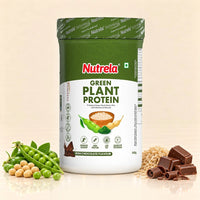
While whole foods are always preferable, the reality of our busy lifestyles makes it hard to stick to a consistent meal plan. That's when Nutrela Green Plant Protein, IsoVeda Whey Isolate, Ashwagandha Melatonin Gummies, Spirulina Tablets, and Moringa products may come in handy.
Frequently Asked Questions
1. Which superfood has the most protein?
Among superfoods, spirulina is known to be the richest in protein content with about 57-65g of protein per 100g. In regular food, soybeans can be the source of complete proteins with about 36g per 100g.
2. Can I build muscle with plant-based superfoods?
Yes, by using such superfoods as soy, lentils, quinoa, and chia seeds along with others you can receive all necessary amino acids for muscle development.
3. What superfoods can I use to lose body fat?
By using chia seeds, lentils, spinach, and Greek yogurt, you will feel full because of protein and fiber content in these foods. Ashwagandha can help manage stress levels in order to stay consistent.
4. Are Ayurvedic superfoods effective for muscle building?
Ayurvedic ingredients like Ashwagandha and Moringa can support recovery, stress balance, and overall wellness. While they don't replace adequate protein intake, they can complement a fitness-focused lifestyle.
5. What's the best superfood for Indian vegetarians?
Lentils are one of the best choices because they're affordable, widely available, and protein-rich. Pairing dal with rice creates a more complete amino acid profile.


